Warehouse Labor Performance Management 

Improve labor productivity and performance with Lucas.

Warehouse labor management systems help you improve the return on your most valuable resource: your people. Lucas labor management tools help dynamically maximize productivity, and improve workforce planning — and narrow the gap between your top-performers and the rest of your team.
Key Takeaways: 

  • Boost overall productivity by an average of 36 percent.
  • Reduce labor costs by 10 percent and eliminate overtime.
  • Dynamic Workforce Planning can predict labor needs and allocate staff dynamically throughout every shift.
  • Streamline worker onboarding by cutting new worker training time down from days to hours.
  • Use AI-Powered performance tracking instead of rigid Engineered Labor Standards.

Warehouse Labor Performance Management Capabilities

Give supervisors better labor management and warehouse optimization tools to strengthen your hourly workforce. Help workers meet their performance goals while working safely and efficiently.
Lucas workforce planning provides managers with insights they need to:

  • Avoid over- or under-staffing
  • Adjust labor allocation dynamically throughout a shift to complete work on time

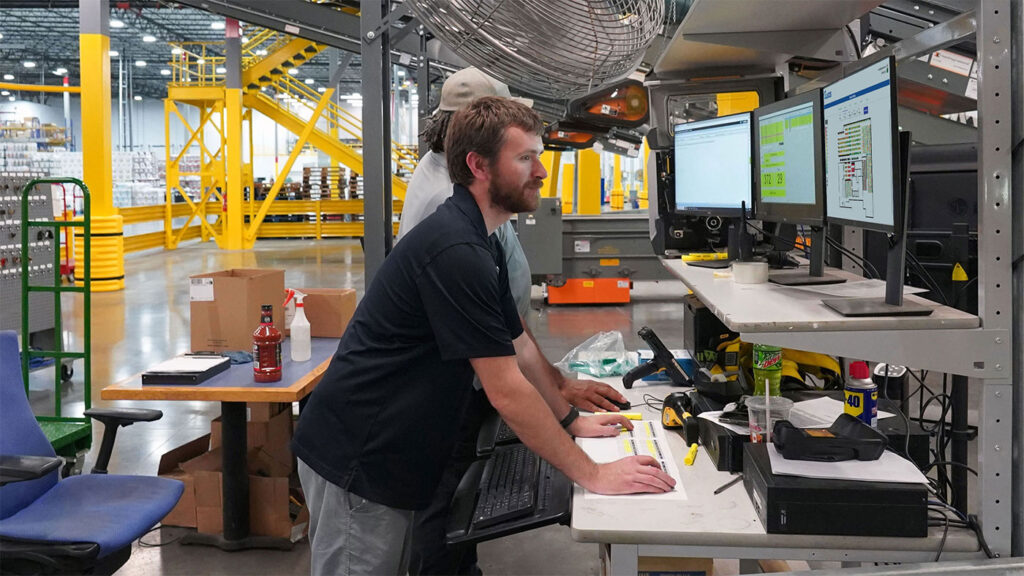
RNDC warehouse console

AI-based performance management tools are a cost-effective alternative to engineered labor standards (ELS), helping you:

  • Define realistic performance goals
  • Accurately predict labor requirements
  • Project daily and weekly staffing needs

Real-time productivity dashboards and alerts enable:

  • Managers to be more proactive in coaching and training
  • Workers to stay on track with real-time feedback

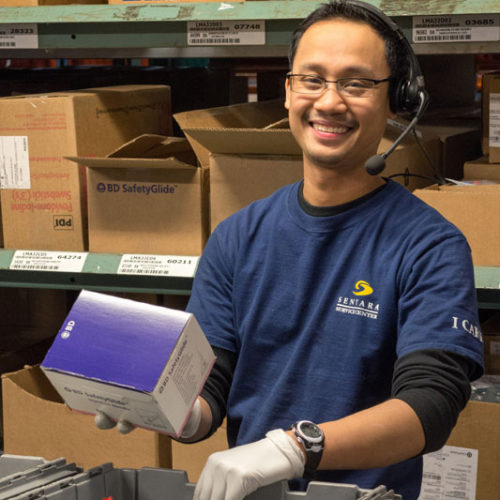
warehouse worker using console management system

Fast, flexible and efficient mobile applications make work easier and better by:

  • Accelerating onboarding and improve retention

  • Increasing productivity, accuracy, and safety

Benefits of Lucas warehouse labor performance management

  • Improves productivity by an average of 36 percent
  • Eliminates overtime; reduces labor hours by 10 percent or more
  • Slashes new worker training from days to hours
  • Avoids shipping delays and errors while minimizing labor time

Labor Performance Management With Jennifer™

Computer chart graphic

The Lucas Warehouse Optimization Suite provides a full range of labor management capabilities using Jennifer™ AI, real-time productivity reporting, and flexible, easy-to-use mobile applications. Jennifer™ combines historical and real-time data to give managers insights that can optimize staffing and labor allocation, improve performance management, and maximize productivity.

Workforce Planning. Optimal labor allocation ensures that orders get out on time while eliminating overstaffing and understaffing. Jennifer™ helps managers make better decisions using machine-learning algorithms that accurately predict labor requirements and work completion times.

Jennifer™ Smarts. Jennifer™ AI eliminates the labor-intensive modeling and data collection process required with Engineered Labor Standards (ELS)-based performance management. Machine-learning algorithms predict the time required to complete tasks. Jennifer™ provides process improvements, more accurate expectations and improves results. And unlike ELS systems, Jennifer™ adapts as your operation evolves and changes.

Schedule a FREE consultation

Trusted by Industry Leaders

Frequently Asked Questions: 

Warehouse labor management is the practice of planning, tracking, measuring, and optimizing workforce performance across distribution center operations. It encompasses setting productivity standards, monitoring individual and team performance in real time, managing task assignments based on available labor, and using data to drive continuous improvement. Effective labor management gives supervisors visibility into who is working, how fast, and where, enabling informed decisions about task reassignment, coaching, and resource allocation, especially amid workforce turnover rates that can reach 40–60% annually. 

Labor management software improves productivity by providing real-time visibility into worker performance, enabling managers to identify and address bottlenecks immediately. For example, the Lucas Management Console tracks individual and group productivity against adaptive labor standards that automatically adjust to actual warehouse data. Features like Speedometer alert workers and supervisors when performance falls below thresholds, while gamification tools like leaderboards, achievement badges, and performance competitions, boost engagement and motivation. In a Lucas study, 84% of workers said they were more likely to stay with employers who developed workplace competitions around daily tasks. 

Key KPIs include: picks per hour (raw and adjusted), lines per hour, units per labor hour, labor cost per order shipped, travel time as a percentage of total shift time, task completion rates, order accuracy, and on-time shipment rates. Adjusted productivity rates account for variables like distance traveled and assignment complexity, giving a fairer picture of worker performance. Additionally, tracking onboarding time to full productivity, workforce retention rates, and exception frequency helps managers identify systemic issues and coaching opportunities. 

AI transforms labor management from reactive monitoring to proactive optimization. Jennifer™ uses machine learning to dynamically assign the right work to the right worker at the right time, balancing workloads, prioritizing urgent tasks, and redirecting labor in real time without waiting for the next assignment cycle. AI-powered simulation capabilities project workloads onto a digital map, helping managers plan proactively. Adaptive labor standards learn from actual performance data, and AI-driven optimization ensures every assignment maximizes pick density and minimizes travel, so the same workforce accomplishes significantly more. 

Real-time labor optimization enables supervisors to respond instantly to changing conditions, reassigning workers to high-priority areas, pausing in-progress work when urgent tasks arise, and adjusting to actual daily attendance rather than static schedules. This is critical in environments where turnover and absenteeism create unpredictable staffing levels. Benefits include higher throughput without additional headcount, reduced overtime costs, faster response to shipping cutoffs, and improved worker engagement through fairer workload distribution.  

Lucas reduces training time by over 50% through three key factors. First, Jennifer runs on familiar smartphone-style devices with an intuitive voice-and-screen interface. Second, Jennifer acts like a coach on the shoulder, guiding workers step-by-step, offering interactive help with product images and descriptions, and adapting as workers gain experience. Third, Coach Connect lets new hires listen in live to experienced workers interacting with Jennifer, seeing their conversation on-screen in any supported language. Workers can begin going solo in less than a day and reach full proficiency in one to two weeks. 

In a Lucas Systems study, nearly 84% of warehouse workers said they were more likely to stay with a company that developed workplace competitions around their day-to-day tasks. Gamification boosts engagement by making performance visible, achievable, and rewarding, turning anonymous effort into recognized achievement. Combined with real-time dashboards that show individual progress against goals, these mechanics create a sense of purpose and friendly competition that reduces boredom and disengagement – two of the primary drivers of voluntary turnover in warehouse environments. 

Labor cost, availability, and retention are the top pain points for distribution center operators. With annual turnover rates of 40–60%, warehouses face a constant cycle of recruiting, hiring, and retraining , each new hire costing thousands in lost productivity alone. According to a Lucas Systems market study, 90% of workers believe investment in new technology helps attract and retain on-floor workers, and 88% feel that investing in tech is investing in the workforce. Companies that fail to address retention face compounding costs and chronic understaffing. 

Get Started With These Helpful Resources

Three Steps to Creating a More Productive DC

This guide takes you through three steps that have helped hundreds of distribution centers worldwide increase productivity and throughput in their picking processes.

Download

AI-Based Travel Optimization

This 10-minute demo dives into the various components of our AI-based optimization tool – dynamic prioritization, path optimization, and intelligent batching. Fill out the form and we will send you the demo.

Watch the Demo

Make Managers More Productive With Machine Learning

Machine learning and AI are expected to have a growing role in warehouse operations over the next five years. This paper is intended to help operations, engineering, and IT executives understand what they need to know about this emerging technology, and how it may be used in the near future to improve DC planning and operations.

Download

Add robots to work alongside your human workers

– and get a better return on your investment.